Winter in Byron Bay is one of the most rewarding times of year to visit. With mild temperatures, fewer crowds, and peak whale migration season, the region shifts into a slower, more peaceful rhythm.
From coastal walks and whale watching to wellness retreats and cosy cafés, winter reveals a more authentic side of Byron Bay.
Byron Bay in Winter: Quick Overview
If you’re planning a winter visit, here’s what to expect:
- Temperature: 18–23°C (mild days, cool mornings and evenings)
- Season: June to August
- Best for: Whale watching, wellness retreats, nature experiences, slow travel
- Crowds: Low to moderate
- Ocean conditions: Cooler, but still suitable for surfing and beach walks
Winter is considered one of the best times to experience Byron Bay without peak-season crowds.
Why visit Byron Bay in Winter?
Byron Bay in winter offers a different experience compared to summer. Instead of busy beaches and peak tourism, you’ll find space, calm, and connection to nature.
Key reasons to visit:
- Peak humpback whale migration season
- Clear coastal walking conditions
- Lower accommodation demand
- Ideal weather for hiking and exploring
- A strong wellness and retreat culture during winter months
Whale Watching in Byron Bay (May to November)
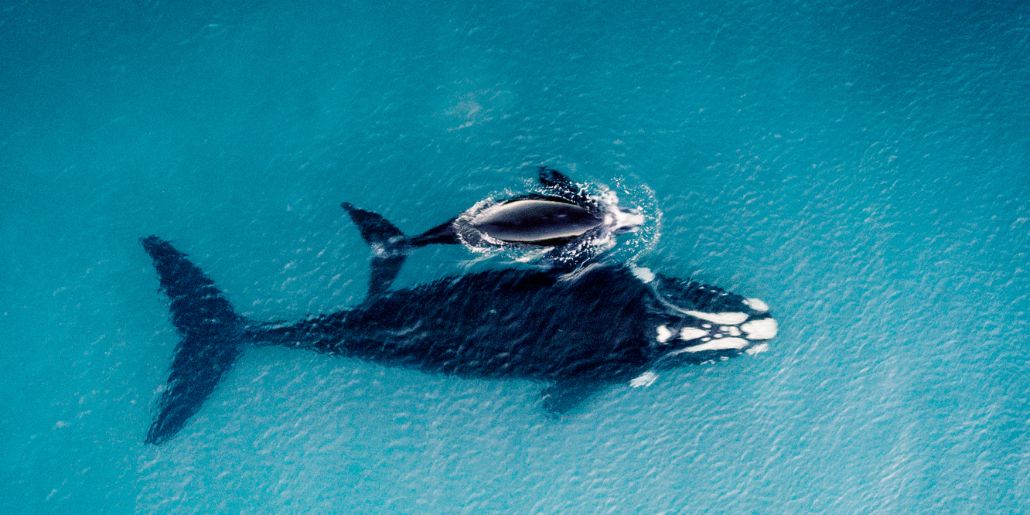
Winter is the best time of year for whale watching in Byron Bay as humpback whales migrate along the east coast of Australia.
Best whale watching locations:
- Cape Byron Lighthouse Walk – one of the most reliable viewing points
- Wategos Beach – calm waters and frequent sightings
- Tallow Beach cliffs – quieter and more spacious viewing areas
You can often see whales breaching, tail slapping, and travelling close to shore.
Walk to Cape Byron Lighthouse

The Cape Byron Lighthouse walk is one of the most iconic experiences in Byron Bay and is especially enjoyable in winter due to cooler temperatures.
What you’ll experience:
- Ocean cliff views
- Rainforest and coastal tracks
- Dolphin sightings year-round
- Whale sightings in winter
- Sunrise and sunset viewpoints
Cape Byron is the most easterly point of mainland Australia.
Winter Wellness in Byron Bay
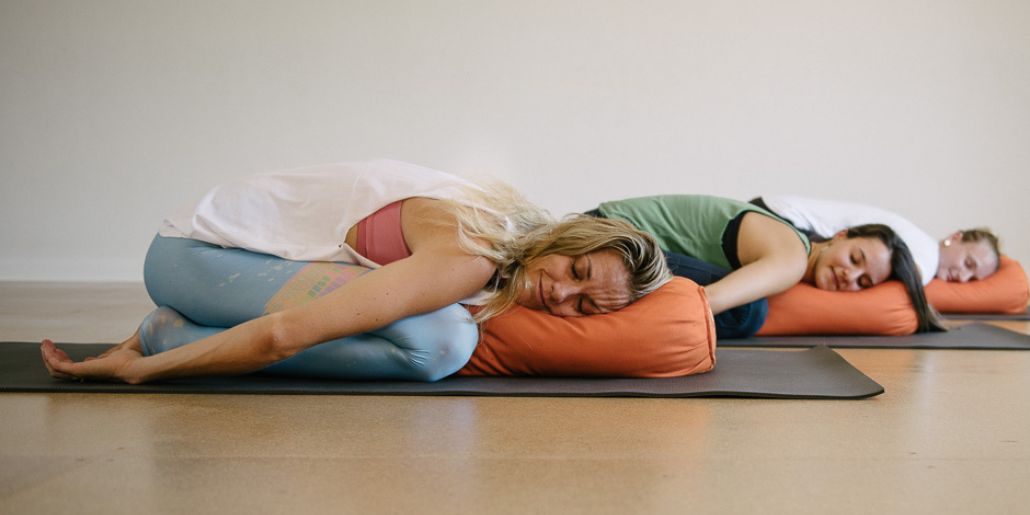
Winter is the peak season for wellness travel in Byron Bay. The cooler climate supports rest, reflection, and deeper restoration.
Wellness experiences often include:
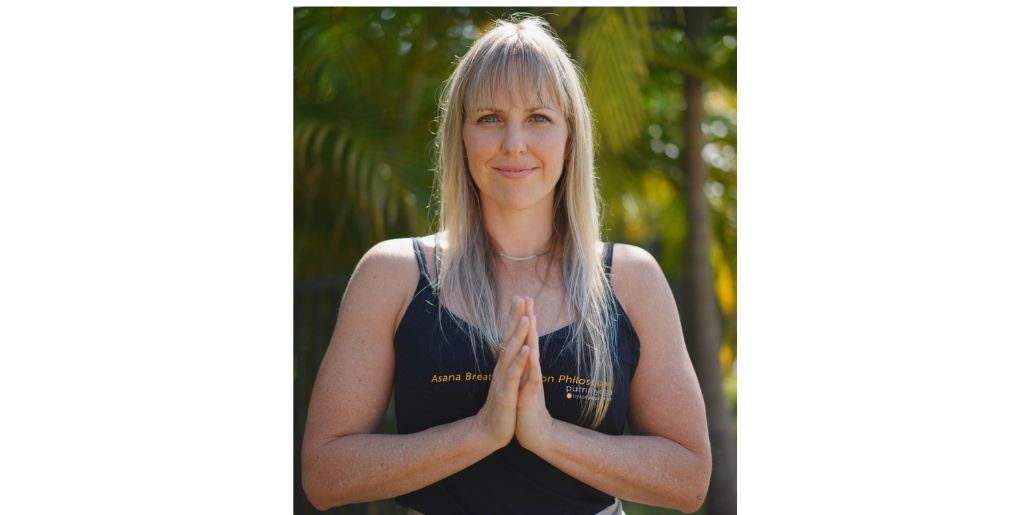
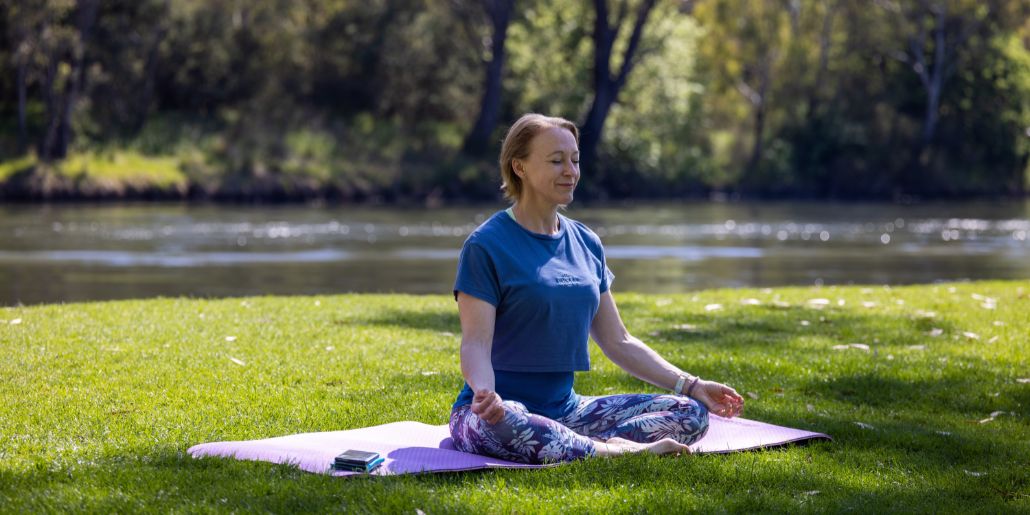
- Yoga and meditation classes
- Breathwork and mindfulness sessions
- Massage and spa treatments
- Sauna and recovery sessions
- Morning, afternoon, or full day yoga retreats
- Multi-day winter yoga retreats
A key wellness destination is Byron Yoga Centre, which offers immersive retreats and yoga experiences designed to support rest, renewal, and reconnection during winter.
Many visitors use winter as a time for reset, making it one of the most popular seasons for retreat stays.
Things to do in Byron Bay in Winter
Here are the best winter activities in Byron Bay:
Nature & Outdoor Experiences
- Whale watching from coastal headlands
- Cape Byron walking track
- Sunrise beach walks at Main Beach or Wategos
- Surfing at The Pass
- Hinterland rainforest walks and waterfalls including the beautiful Killen Falls
Local Culture & Relaxation
- Farmers markets in Byron Bay (every Thursday morning)
- Byron Community Market (first Sunday of every month)
- Boutique shopping in Byron town centre
- Live music and indoor events
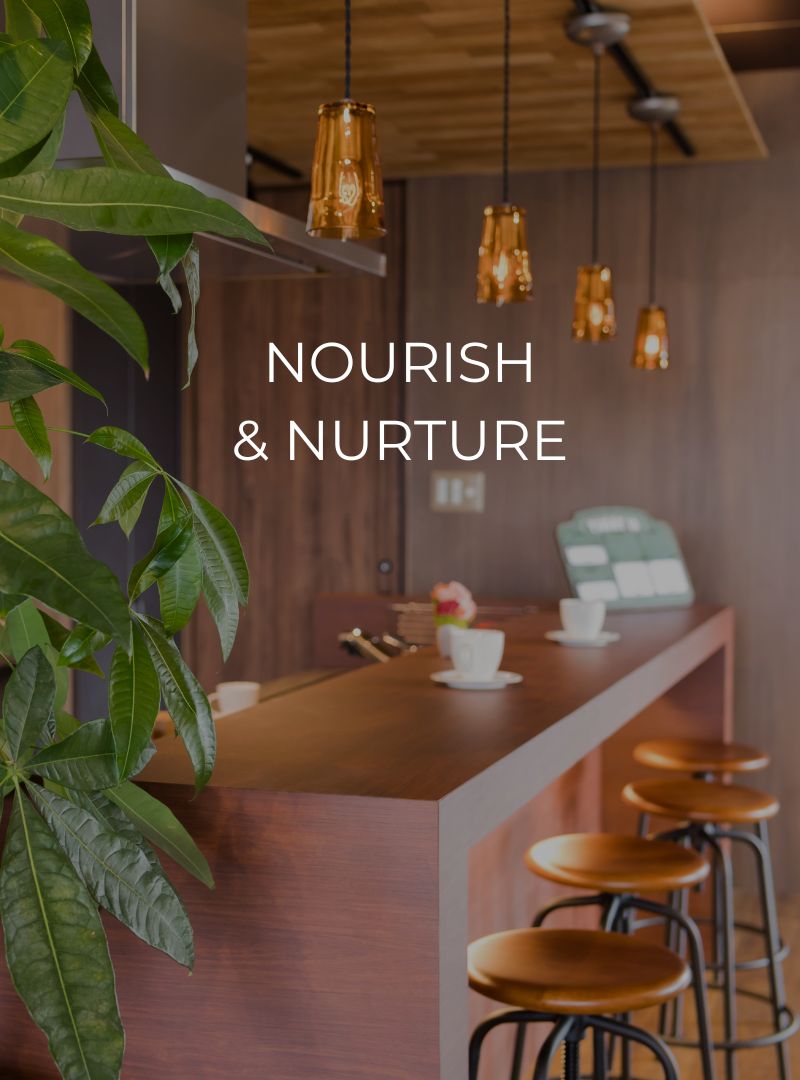
- Long café breakfasts – some of our favourites are Folk, Bayleaf Cafe, and Combi

Best Day Trips from Byron Bay in Winter
Winter is ideal for exploring the surrounding Northern Rivers region.
Popular day trips include:
- Brunswick Heads – relaxed river village with cafés and beaches
- Mullumbimby – wellness culture and local food scene
- Minyon Falls – rainforest waterfall walks (especially after rain)
- Nimbin – alternative culture and hinterland landscapes